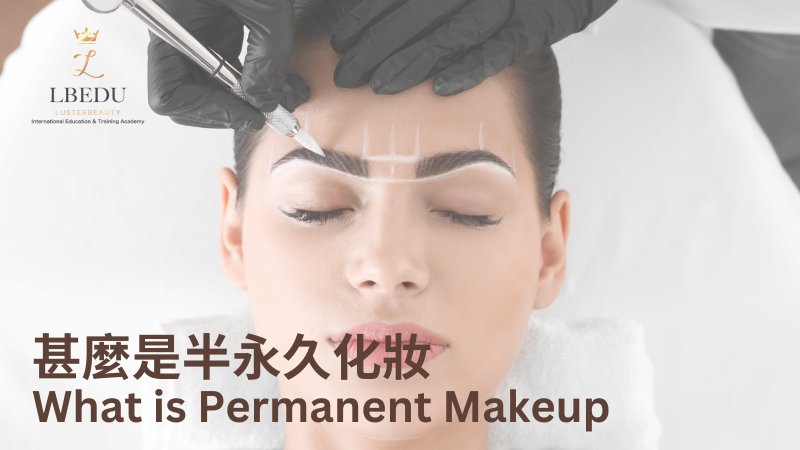
- ‧ Semi-permanent makeup (PMU) implants pigment into epidermis, lasting approximately 2.5 to 4 years
- ‧ Three eyebrow tattoo types: Microblading (hair strokes), Ombre (powder effect), Combination (both)
- ‧ Wild Brows is a rising brow style emphasizing strong hair texture, natural and asymmetrical
- ‧ Wild Brows lasts 1.5 to 3 years, ideal for no-makeup, natural look and high-end style lovers
- ‧ Needle depth strictly controlled at 0.8mm to 1.2mm, following "shallower is better" principle
- ‧ Lip tattoo (Crystal Lips) improves lip color and shape, lasting longer
- ‧ Invisible eyeliner tattoo applied at lash line without extending beyond the eye corner
Semi-permanent makeup (PMU) implants pigment into the epidermis, lasting approximately 2.5 to 4 years. Applications include eyebrow tattooing (Microblading, Ombre, Combination, Wild Brows), lip tattooing (Crystal Lips), and invisible eyeliner tattooing. Wild Brows is a rising natural brow style emphasizing strong hair texture, lasting 1.5 to 3 years. Needle depth is strictly controlled at 0.8mm to 1.2mm, following the "shallower is better" principle. Ideal for busy professionals, those with limited makeup skills, and those with deficiencies from illness, injury or surgery.
Complete Guide to Semi‑Permanent Makeup in Hong Kong|PMU Techniques, Courses, Career Pathways
With Hong Kong's fast‑paced lifestyle – whether you're a busy professional rushing to work, someone who wants to cut down daily makeup time, or simply someone who wants to look fresh without makeup – semi‑permanent makeup (PMU) has become one of the hottest services in the beauty industry. From entry‑level eyebrow, lip, and eyeliner tattooing to advanced SMP scalp micropigmentation and medical‑grade skin camouflage, market demand continues to grow. This has attracted people from diverse backgrounds – administrative, accounting, design, retail, logistics – who are considering a career switch, as well as current beauty professionals looking to upskill and expand their service offerings.
This comprehensive guide covers the technical principles of semi‑permanent makeup, common services (Microblading / Ombre / Wild Brows, lip tattooing, invisible eyeliner), benefits, and safety guidelines. It also consolidates information on Hong Kong‑accredited HKQF Semi‑Permanent Makeup certificates and VTCT Skills (ITEC) international micropigmentation courses – whether you're a complete beginner or an experienced practitioner, you'll find clear pathways for training and career progression.
What is Semi‑Permanent Makeup?
Semi‑permanent makeup goes by different names in different regions: in the UK and Europe, it's academically known as Micro‑Pigmentation; in the US, it's commonly called Permanent Makeup or Permanent Cosmetics Makeup; in Asia, it's widely referred to as Semi‑permanent makeup (SPMU); and in Hong Kong, the industry simply calls it "micropigmentation" or "semi‑permanent makeup." Internationally, the unified abbreviation is PMU (Permanent Makeup). It is a cosmetic tattooing technique that deposits微量 safe pigments into the epidermis using calibrated specialised equipment and single‑use needles.
The pigments used are composed of organic ingredients in a glycerin base combined with inorganic minerals, all carefully selected for their hypoallergenic properties, meeting international safety and stability standards.
Beyond enhancing daily makeup looks for brows, eyes, and lips, this technique is also applied in pigment reconstruction / skin camouflage (Skin Camouflage Behavior Art) – improving areas of the body with pigment irregularities, such as areola reconstruction for breast cancer or mastectomy patients, and scar or vitiligo camouflage. This serves as a medical aesthetic adjunct for restorative purposes.
Common semi‑permanent services in Hong Kong include eyebrow tattooing, eyeliner tattooing, lip tattooing, and hairline enhancement. Results generally last between 2.5 to 4 years, gradually fading with natural skin turnover. The exact duration varies from person to person – which is why the industry repeatedly emphasises "因人而異" (it varies) – individual metabolism, lifestyle, and aftercare all affect colour retention.
Common Semi‑Permanent Services
Eyebrow tattooing in Hong Kong has evolved from older techniques like "soft brow" and "embroidery brow" into a wide range of styles and techniques, broadly falling into hair‑stroke, shading, and combination categories.
Three Main Technique Categories
- Microblading (Hair Stroke) – Uses a manual micro‑blade to draw individual, realistic hair‑like strokes, producing the most natural effect. Ideal for those with naturally sparse brows, missing tails, or those who want a natural hair‑like look. Also a popular choice for men.
- Ombre / Powder Brows (Shading) – Uses fine needles to stipple colour layer by layer, creating a soft, powdered effect. Suitable for those who regularly wear makeup and prefer a more defined look. Common variations include powder brows, mist brows, silk mist brows, pink‑tone brows, and many more.
- Combination Brows – Combines Microblading and Ombre techniques: hair strokes at the tail and middle, soft shading at the front and body of the brow. This achieves both naturalness and depth, making it the most popular entry‑level choice in Hong Kong.
Wild Brows is a rapidly growing brow style in Hong Kong's beauty market. The core concept is "so real it's almost fake" – a biomimetic effect that emphasises strong hair flow, airy texture, and avoids perfect symmetry, recreating the natural, effortless look of real brows. It is not tied to a single technique, but can be achieved through Microblading, machine hair strokes, or other methods. It is also known as simulation brows, 6D brows, or bionic brows.
Wild Brows suit those with existing brow hair who love a no‑makeup, high‑end natural look, or those with gaps or asymmetry. Both men and women can wear this style. However, this technique requires a very high level of skill in hair‑flow direction and stroke placement – choosing an experienced, qualified technician is crucial.
| Aspect | Wild Brows | Microblading | Ombre (Powder Brows) |
|---|---|---|---|
| Style Focus | Brow style (biomimetic, natural) | Technique (hair strokes) | Technique (stippling, shading) |
| Visual Effect | Strong hair flow, fluffy, asymmetrical, like real brows | Individual, sharp hair‑like strokes | Soft powder‑like shading, airbrushed |
| Best For | Those with existing brow hair; those who prefer no‑makeup or high‑end natural looks | Those with brows who want more defined hair strokes | Those with little or no brow hair; those who wear makeup regularly |
| Tools Used | Machine + liquid pigment | Manual microblade (linear needle) | PMU machine (round/flat/stacked needles) |
| Duration | About 1.5 – 3 years | About 1.5 – 2 years | About 2 – 3 years |
Formerly known as "lip embroidery" or "soft lip," modern lip tattooing is now commonly called "gradient lip" or "crystal lip." Using a machine and needle, pigment is implanted into the lip tissue to improve colour and shape. Because lip tissue is mucosal with slower cell turnover, results last longer and won't fade completely. However, habits like smoking or frequent use of exfoliating products may accelerate fading.
Colour Selection Guide:
- Fair skin: suits all colour families
- Medium/tanned skin: prioritise red and orange tones
- Minimal/no‑makeup daily: recommend natural peach, nude pink tones
- Prefer a more defined look: choose saturated red tones
The procedure begins with cold compresses and numbing cream to minimise discomfort, with breaks as needed. Pain tolerance varies, with most clients describing it as a mild tingling sensation.
Formerly called "eyelash enhancement," invisible eyeliner is a subtle but popular service. The pigment is placed along the lash line, filling gaps between lashes without extending past the outer corner. Clients can still apply additional eyeliner for different looks – ideal for those who want defined eyes without obvious tattoo marks.
Numbing is applied before the procedure. Since the eye area is sensitive, clients should consult their technician thoroughly and adjust thickness and length based on eye shape and daily makeup habits.
Five Key Benefits of Semi‑Permanent Makeup
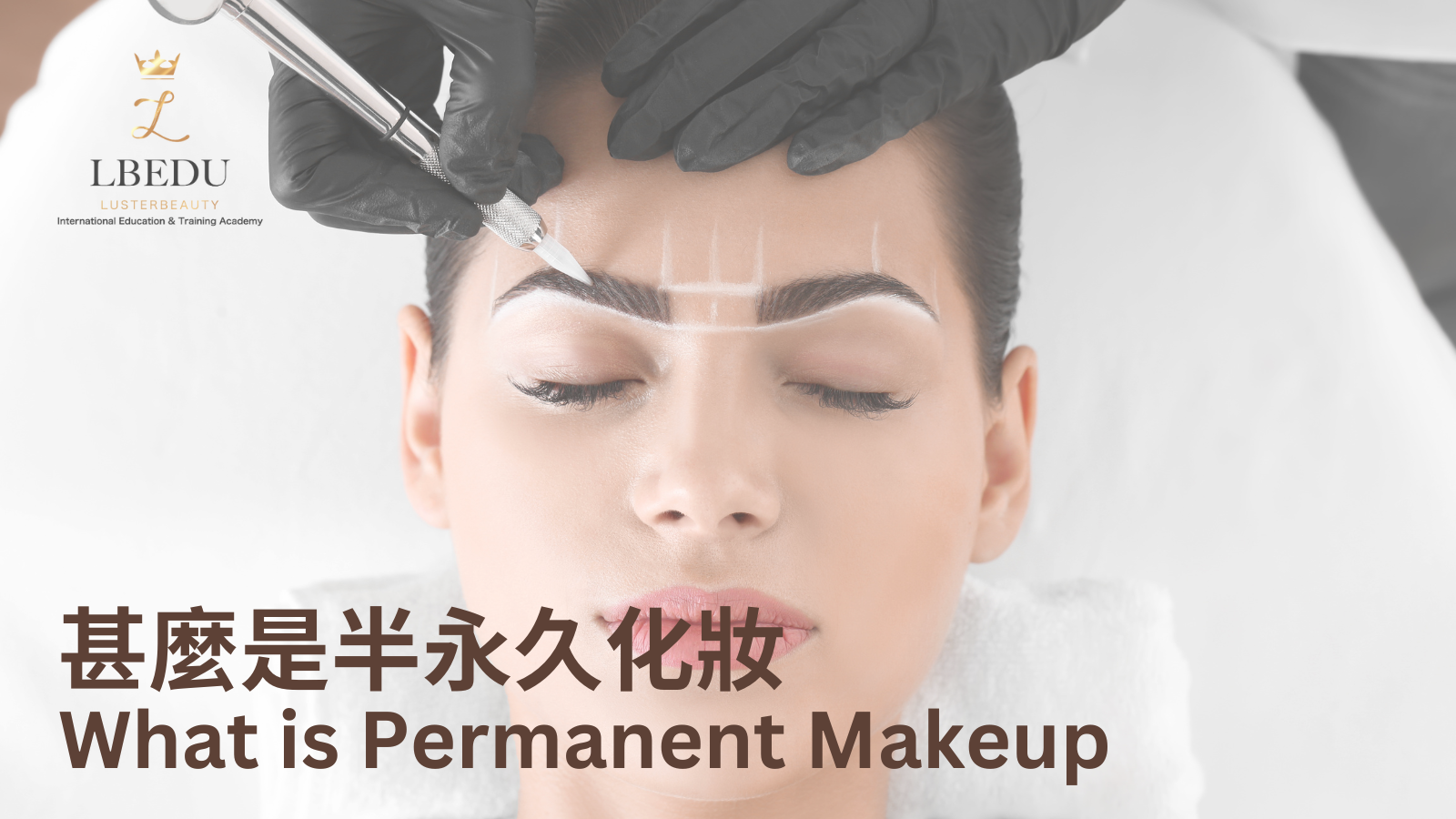
- Saves daily makeup time: Perfect for busy professionals – wake up with a natural look without spending time on brows and eyeliner every day.
- Eliminates smudge/run worries: Hong Kong's humid climate means oil and sweat ruin makeup easily; semi‑permanent results stay put through long days.
- Restores pigment and tissue defects: Used for areola reconstruction, scar camouflage, vitiligo coverage – helping those with illness‑, injury‑, or surgery‑related appearance concerns.
- Compensates for natural limitations: Sparse brows, asymmetry, dull lips, thin lashes – all can be naturally enhanced.
- Provides consistent results for those who struggle with makeup: For those who find makeup application difficult, semi‑permanent makeup offers a stable, long‑lasting image solution.
Semi‑Permanent Pigment Implantation: Needle Depth & Equipment Explained
The needle must be precisely placed at the junction between the epidermis (specifically the basal layer) and the papillary layer of the dermis, with an actual working depth of approximately 0.8mm to 1.2mm.
- Too shallow (under 0.8mm): Pigment stays in the stratum corneum or very superficial epidermis, fading quickly with natural shedding – leading to uneven colour, lightness, or complete disappearance.
- Too deep (over 1.5mm): The needle penetrates the reticular layer of the dermis, where pigments mix with blood and tissue fluid, causing blurring, blue/grey discolouration, or reddening over time, making the result permanent like a traditional tattoo.
Therefore, the industry strictly follows the principle of "shallow rather than deep" – adjusting needle protrusion and hand pressure to ensure each stroke reaches the basal layer precisely, achieving stable colour retention while avoiding future discolouration or migration.
| Tool Type | Needle Name | Best For | Technique |
|---|---|---|---|
| Manual Microblading Pen (Hand Tool) |
Microblade (Linear Needle) | Microblading, Wild Brows (hairstroke styles) | Creates fine incisions in the skin to deposit pigment, producing extremely fine, realistic hair‑like strokes. |
| Round Needle (Stippling) | Ombre (soft shading) | Uses manual stippling to deposit pigment, ideal for touch‑ups or highlighting areas like the brow head. | |
| Electric PMU Machine (Rotary / Digital) |
Single Needle (1RL) | Fine lines, Wild Brows main strokes, hair‑like detailing | Very fine needle tip creates crisp, clear individual strokes with even, solid pigment saturation. |
| Round Needle (3RL / 5RL) | Ombre (shading), Gradient Brows, Powder Brows | Used for stippling or circular motions to create soft transitions and a powdered effect; the most common shading needle. | |
| Flat Needle | Machine‑driven Wild Brows, sweeping, large‑area shading | Needles arranged in a flat row, covering larger areas quickly; good for base‑colour sweeping or creating bold machine strokes. |
Training Pathways: Hong Kong‑Accredited Micropigmentation Courses
Semi‑permanent micropigmentation is a high‑risk cosmetic procedure involving skin penetration and pigment implantation – recognised qualifications are essential for both practitioner safety and consumer trust. Whether you're starting from zero or an experienced beauty therapist looking to expand, here are the local and international courses available:
- Suitable for: Career switchers with zero experience; beauty therapists wanting to add semi‑permanent services
- Qualification value: Widely recognised by Hong Kong's beauty industry; meets basic entry requirements; aligns with Hong Kong's Occupational Safety and Health Ordinance and operational standards
- Graduate capability: Independently perform basic eyebrow, eyeliner, and lip procedures; master standard disinfection protocols and client communication
- Suitable for: Practitioners with some experience who want to upgrade to international qualification; those planning to open studios or join major beauty chains
- Qualification value: Internationally recognised specialist qualification – credible for starting a business, serving high‑end clients, or applying to major chains
- Graduate capability: Master international‑standard full‑service micropigmentation techniques; independently manage all eyebrow, eyeliner, and lip services with post‑care follow‑up
- Suitable for: Current PMU artists and beauty therapists expanding services; those looking to specialise in scalp care
- Qualification value: Internationally recognised specialist qualification – authoritative endorsement for offering scalp micropigmentation services, addressing Hong Kong's growing hair loss market
- Graduate capability: Independently perform various scalp micropigmentation procedures; master scalp anatomy, contraindications, and post‑care protocols
- Suitable for: Experienced PMU practitioners, medical aesthetic technicians; those wanting to advance to high‑end specialist services
- Qualification value: Advanced industry certification – opens doors to medical aesthetic collaboration, post‑surgical repair, and high‑end referral markets; significantly increases service pricing and professional positioning
- Graduate capability: Master systematic pigment reconstruction techniques; develop customised pigment restoration plans for different skin issues
Suggested Progression Path: For career switchers with zero experience, start with HKQF Level 3 to build local knowledge and foundational skills. After gaining experience, progress to VTCT Level 4 Full Micropigmentation or SMP Specialist. Experienced practitioners can advance to Level 5 Skin Camouflage and move towards medical aesthetic‑adjacent roles.
Frequently Asked Questions
Conclusion
Semi‑permanent makeup (PMU) has become a mature mainstream service in Hong Kong's beauty industry. From everyday brow, eye, and lip enhancement to specialised applications like scalp micropigmentation and skin camouflage, market demand continues to diversify – offering increasingly more options for both consumers and practitioners.
For those looking to enter or advance in the field, a solid technical foundation and recognised qualifications are key to long‑term success. With a clear progression path – from HKQF Level 3 local qualification, to VTCT Level 4 international full and specialist certifications, and up to Level 5 advanced skin camouflage – professionals can follow a structured route. Progressing at your own pace not only ensures safe practice but also builds a competitive advantage in Hong Kong's dynamic beauty market.
References
VTCT Skills (ITEC) Level 4 Award in Micro‑Pigmentation Treatment – Official Syllabus
VTCT Skills (ITEC) Level 4 Award in Scalp Micropigmentation Treatments – Official Syllabus
VTCT Skills (ITEC) Level 5 Diploma in Skin Camouflage and Pigment Reconstruction – Official Syllabus
Hong Kong Qualifications Framework (HKQF) – Semi‑Permanent Micropigmentation Certificate (25/000363/L3) – Competency Standards
IQA International Qualification Assessment Alliance – Micro‑Pigmentation Certification Guidelines
Hong Kong Beauty Industry – Specification of Competency Standards – Micropigmentation Units
International Semi‑Permanent Makeup Industry Safety and Hygiene Standards
Comments (0)
No comments yet
Leave a Comment